fbpx

Tropical Flavor – A Taste of the Caribbean part 2

Guess who’s coming to dinner, Natty Dreadlock?” – Black Uhuru
Have you guessed who is coming to dinner?
You of course!
Welcome to the second part in the series exploring some of the most famous food in each Caribbean country. Last week we look at some mouth watering dishes from countries such as Cuba, Aruba, Montserrat, and so many more. This week we will be looking at meals throughout the Caribbean that can be eaten for breakfast, lunch, or dinner.

Caution: Images of foods may cause a sudden rush of hunger. Any mouth-watering side effects are not the fault of management.

Puerto Rico: Arroz con Gandules
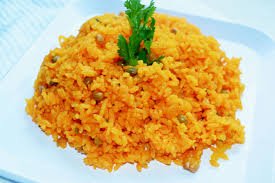
Puerto Rico_Arroz Con Gandules
Image courtesy of Cookitgirl website

Arroz con Gandules is the famous Caribbean dish of pigeon peas and rice with a twist. This dish unlike the others has a special sauce called sofrito added. Sofrito is a blend of herbs that is also used to season many other dishes. The Spanish is also responsible for this famous dish and the use of olives as one of its ingredients. It dates back to the eighteenth century when the Moors lived in Spain and influenced their culture. The other ingredients of this dish are typically ham, pork, chorizo, and red peppers.

Trinidad and Tobago: Pelau
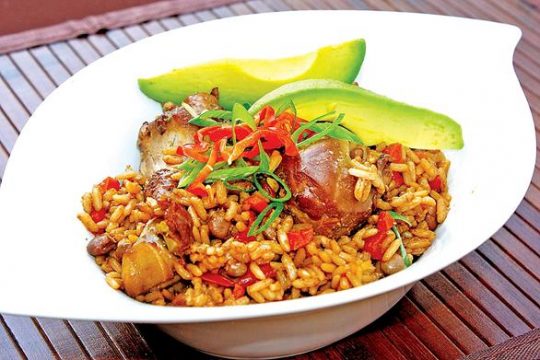
Pelau_Trinidad N Tobago

Image courtesy of Caribbean Pot website

Trinidad and Tobago is famous for its Soca music and carnival. But the twin islands is famous for much more; pelau, a very special dish that is enjoyed everyone. As a matter of fact, it is often eaten during the carnival season. This dish is a one pot meal of rice, pigeon peas, coconut milk which is cooked with either chicken, beef, lamb, or pork that is deliciously seasoned and prepared. Though it has its origins with the Indian immigrants that came to the country, the dish is now enjoyed by the island’s varied ethnic groups with the style of cooking being slightly different.

Haiti: Griots with Rice and Beans
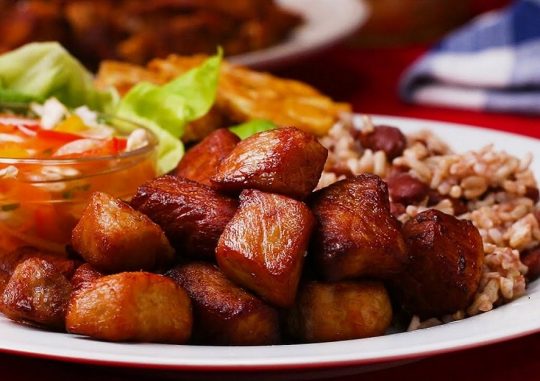
Haiti_Griot with Rice and Beans
Image courtesy of Face2Face Africa website

This Caribbean country is known for being ravaged by hurricanes and the earthquake of 2010. However, I believe the resilience of the people have stood out in their continued attempts to still carry on with their lives even with scarce resources. Griots with rice and beans originated from West Africa and is often eaten at family celebrations. This Haitian “must have” is prepared by seasoning the pork and allowing it to marinate over night in the refrigerator. The pork is then stewed in orange juice until it is crusty golden brown, and tender and juicy on the inside. It is usually served hot with rice and beans that has been garnished with pikliz, a condiment made from pickled hot pepper.

Martinique: Colombo de Martinique
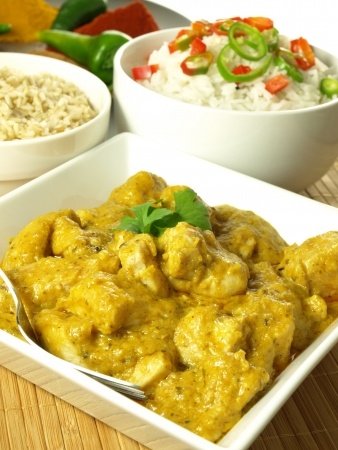
Martinque_Colombo de Martinique
Image courtesy of ileauxepices website

Food in Martinique reflects the coming together of the various cultural influence and diversity of its people. A “chart topper” in their food often include the use of scotch bonnet peppers, which some Caribbean folks may consider to be one of the hottest peppers around. Martinicans often add other local fruits such as coconut to their food. Coconut is a key ingredient of their famous dish Colombo de Martinique which is a spicy dish that is influenced by the Indians as is evident in the use of curry which gives the dish its distinctive yellow appearance. This dish is prepare with either chicken or fish.

St Martin/ St Maarten: Callaloo Soup and Conch and Dumpling
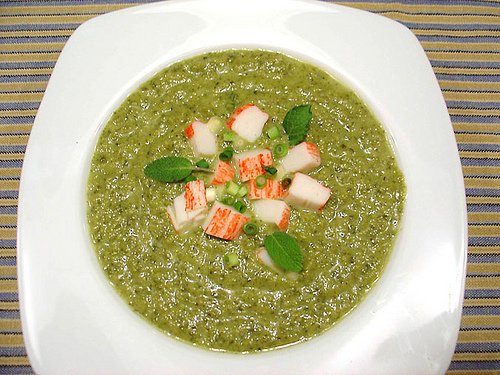
Saint Maartens_Callaloo_Soup
Image courtesy of Pax Gaea website

This country was hit hard by Hurricane Irma in September 2017 and it left a trail of destruction. However, the island is on its way to recovery and a return to normalcy. St Maarten has two popular dishes featured because it has two cultural sections with different dishes. Callaloo is a favorite of the French section and conch and dumpling the favorite of the Dutch. Callaloo soup is a thick green soup made from the callaloo plant and has pork cubes, coconut milk, hot pepper, black pepper, thyme, along with other ingredients.
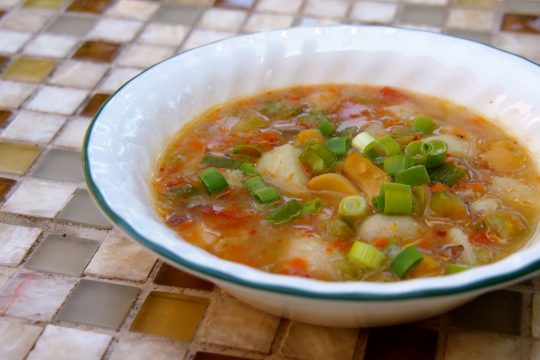
Sint Maartens_Conch and Dumpling
Image courtesy of St. Martin Food tour website

The Dutch however, have a thing for conch and dumpling which is seasoned with herbs, spices, and served with dumpling.

Grenada: Oil Down
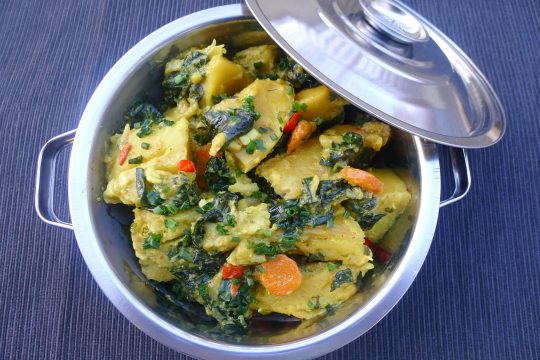
Grenada_Oil Down
Image courtesy of 196 Flavors website

Oil Down is a simple one-pot dish that is traditionally cooked over an open fire or coal pot but it can also be cooked on a stove. Oil Down got its name from the method of cooking the dish. The dish usually includes breadfruit, yams or green bananas, which is given flavor by the salted pork or beef that is added. All this is then cooked with coconut milk and spices until all the liquid boils away to leave a well flavored in oily residue. When you go to Grenada, if you go to a picnic or festival you are likely to find Oil Down being served.

The Cayman Islands: Turtle Stew
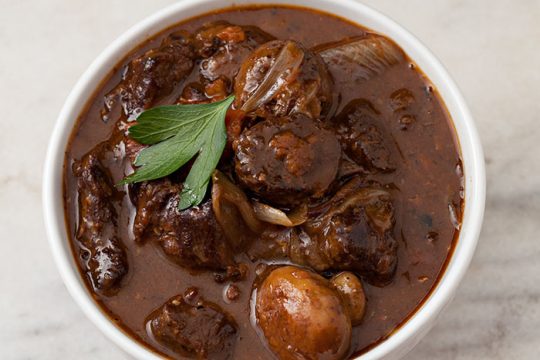
Cayman Islands_Turtle Stew
Image courtesy of Carnival Corporation (US) website

The Cayman Islands makes the other Caribbean island’s famous dishes seem almost basic. This country stands out for the love of turtle stew. The islanders love for turtle goes back to the 17th century and is still at the top of the list of favorites for many. Also, the word on the street is that this dish does a great job for the libido, and as such it is especially loved by the men. If you are wondering that this indulgence put the turtles at risk for survival, you can be assured in knowing that this delicacy comes from the Cayman Islands Turtle Farm. Here they use sustainable methods to ensure the safety and continued survival of the turtles.

Jamaica: Ackee and Saltfish
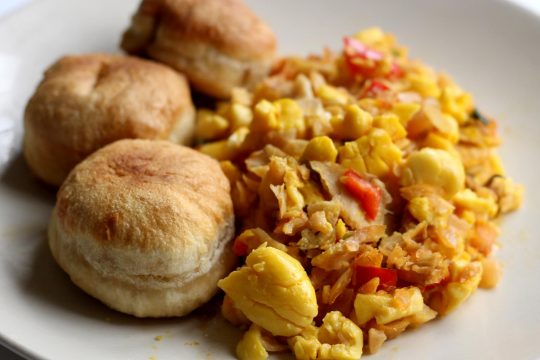
Jamaica_Ackee and Saltfish
Image courtesy of Original Flava website

After seeing ackee and saltfish for the first time some might say it looks like scrambled eggs but any Jamaican will be quick to tell you this dish tastes “waaay” better than eggs. Whether you go to a fancy restaurant or get the privilege to visit a Jamaican home you are sure to enjoy this dish. Ackee is a fruit that originated in West Africa and was brought to the Caribbean during slavery. The fruit contains poisonous toxins so Jamaican usually only eat them from the open pods of the fruit for it is believed it is safer to eat at this point. The ackee is prepared by removing the black seeds and using only the yellow fleshy portion. The next part of the dish, salted ackee, also has its history in slavery. Fish from parts of Europe was salted to preserve them which became a good option for food in the hot climate of the tropics. Ackee and saltfish is often eaten at breakfast time with fried dumplings but can be enjoyed anytime and anywhere.

Barbados: Flying Fish and Cou Cou

Bajan-Recipe-Flying-Fish
image courtesy https://www.insidethetravellab.com/bajan-recipes/

If you ever visit Barbados, make sure you are there on Friday because this is when their famous dish flying fish and cou cou is usually served. Also, if you should ever get a chance to see the majestic flying fish leap out of the sea you will know why this dish has leapt right into the plates and hearts of Bajans. The dish is prepared by deboning the fish, rolling, and then stewing it in a flavorful gravy. Cou cou is made from yellow cornmeal which is cooked to a thick paste-like consistency.


To conclude this article I have listed below links to the recipes of these fabulous dishes.

The Caribbean has much flavor too offer and I hope you have enjoyed this look at great foods found in these countries as I have!
Keep peace, love, and laughter in you’ heart and walk good.


Puerto Rico: Arroz con Gandules

Arroz Con Gandules ( rice with green pigeon Peas)


Trinidad and Tobago: Pelau
https://www.caribbean-beat.com/issue-137/pelau#axzz5JCVXCLvV
Haiti: Griots with Rice and Beans
Haiti: Griots with rice and beans ??
Martinique: Colombo de Martinique
https://www.easyvoyage.co.uk/recipe/colombo-chicken
US Virgin Islands: Johnny Cake
https://www.keyingredient.com/recipes/11886037/virgin-island-johnny-cake/
St Martin/ St Maarten: Callaloo Soup and Conch and Dumpling
http://www.geographia.com/st-maarten/anmres01.htm
http://www.tastethecaribbean.eu/recipeconchdumplings.html
Grenada: Oil Down
http://www.gov.gd/articles/grenada_oil_down.html
The Cayman Islands: Turtle Stew
http://myfavoritepostcards.blogspot.com/2016/11/turtle-soup-recipe-from-cayman-islands.html
Jamaica: Ackee and Saltfish
https://jamaicainn.com/blog/recipe-ackee-saltfish-jamaicas-national-dish/
Barbados: Flying Fish and Cou Cou
https://www.sandals.com/blog/coucou-and-flying-fish-recipe/
Anguilla: Pigeon Peas and Rice
http://www.anguilla-caribbebeach.com/travel_guides/Anguiila_Cuisine/Anguilla_Pigeon_Peas_and_Rice.ht

Tropical Flavor: A Taste of the Caribbean

Food. Fun. Sun.

These are three things that anyone can be sure of when they visit any island of the Caribbean. Today, the focus will be on what might be the key staple for making any event one to remember. That staple is food!

No matter which Caribbean island you go to you are sure to be welcomed and sent off with food. Foods are found in of varying colors and flavors, full of life and character like the Caribbean people, hence, it is no wonder our food is a worldwide rave. In this three-part series I will share some of the most popular foods of these sun-kissed countries. Some of these foods have become so popular that they are now either the official or unofficial national dishes. As I researched about the significance of these favorite dishes, I found that many of them are tied to the rich history of their countries.

Ready for a feast for the eyes and watering of the mouth? Let’s go!


Cuba: Los Moros y Cristianos

Image courtesy of Cuba resorts website

The dish Los Moros y Cristianos means the Moors and the Christians. The black beans represent the dark-skinned Moors and the rice represents the light skinned Christians. This dish is literally a history lesson on a plate! It symbolizes the Reconquista, which was an eight-hundred-year period of battle between the Muslim Moors and Christians for control of the Iberian Peninsula. The dish must have therefore resulted from the Spaniards’ conquest of Cuba. Cubans believe that if it is eaten on New Year’s Day it will bring good luck. So who knows, this may be a great dish to add to your New Year’s Day menu.

Dominican Republic: Sancocho

Image courtesy of Crisco website

Like Cuba, this Carib beauty is a Spanish speaking country. Food in the DR, as it is sometimes called, is often fresh so people usually catch or will grow what they eat. Their food has been influenced by Taino, Spanish, and African cooking styles and ingredients. This is why you can expect food from here to be spicy and full of color and flavor. The dish Sancocho is the Dominican take on the Spanish dish cocido or stew. You will most likely find this dish at special occasions. It will typically have a combination of various meats and vegetables made into a stew. So, if you are a lover of your meat tender and juicy, this one is for you.

Bahamas: Cracked conch

Image courtesy of the village cook website

If you have walked along the sea shore and seen a large beautiful cream and pink colored sea shell, it may have been a conch’s shell. A conch is a sea snail, but this slow poke is a favorite in the Bahamas. Bahamas has been one of the favorite Caribbean countries to visit and I am beginning to suspect we may have found the reason. Cracked conch is made by pounding the meat with a mallet or “cracking” it until the meat is thin and tender. The meat is then deep fried into golden nuggets and is often eaten with fries. This dish is loved so much that there is even a festival dedicated to the practice of “cracking”!


Guadeloupe: Goat Curry

Image courtesy of sky rock website

Guadeloupe is a French speaking country in the Caribbean. However, goat curry is not a result of the French influence but that of the Indians. This group of people, mostly of the Tamil people, came to Guadeloupe and have left a huge mark on their culture. This can be seen in their religious festivals but also of course their food. The goat curry is a great example of how the Indian culture has been brought to their dining tables. This popular dish is cooked tender in a thick curry sauce and may be eaten with other staple food.

Curacao: Funchi

Image courtesy of Antilliaanse keuken website

Curacao is the largest island of the Dutch speaking Caribbean. It is a long, dry and mostly flat country and as you travel along its length you are sure to find a household or restaurant cooking the popular dish called funchi. When the African slaves came to this island, they made a porridge from the sorghum (a tropical cereal) flour and called it fungee. It must have tasted really well because the Arawaks on the island started making their version of this dish using cornmeal. Thus, the dish called funchi was born. This dish works great as an appetizer or side dish.

Aruba: Keshi yena

Image courtesy of revistavenamerica.com

Arubans are considered to be warm and friendly people and if you are ever privileged to be a guest at their dinner table you may get a warm serving of Keshi yena. Aruba’s dishes are a mixture of cultural influences such as that of Venezuela and of the Dutch. The popular dish keshi yena is evidence of the Dutch’s influence. The Dutch have a liking for cheese and it seems this liking has very much been also taken on by Arubans. Cheese lovers would enjoy this meal of ground meat wrapped in cheese and baked to perfection.


Bonaire: Galiña Stoba

Image courtesy of Antilliaans-eten website

Bonaire is known for its beauty, unhurried pace and peaceful atmosphere. Wafting through the tranquil air, may very well even be the smell of galiña stoba. This Dutch island seems to have a thing for stew meat because that is just what galiña stoba is – stew chicken to be exact. This meal is made by simmering the chicken until the meat is tender and is often served with rice or funchi.

British Virgin Islands: Fish and Fungi

Image courtesy of wine enthusiast website

The British Virgin Islands is collection of over 50 islands. The best way to travel from island to island is by boat and when you make a stop for lunch, I am sure the islanders would greatly encourage you to try some fish and fungi. This dish was born out of slavery. During the Danish rule cornmeal and herring was a large part of slaves’ diet. However, despite this humble origin, it is a highly rated dish among the locals.

Montserrat: Goat Water
div class=”text-center”>

Image courtesy of explorers kitchen website

Lastly, but surely not least, is the island of Montserrat. While this country may be more popularly known for the occurrence of volcanic activity, it has much more to offer. It has great scenic beauty but if you ask around, people may say, the greatest beauty of all is a bowl of goat water. Furthermore, with an island of just 5000 residents where everyone knows each other, you are sure to fit right into the family-like atmosphere. You are also sure to have someone more than willing to give you some goat water with rice or bread.

These Caribbean countries truly have rich culture and amazing food. I feel like I just finished a great full course meal! If any of these foods have encouraged you to visit any one of these countries, you surely should. Who knows, we might even meet up on each other. Or what if you want to make these meals right in the comfort of your home? Not a problem. Below are links to recipes for each of the dishes featured in this week:

Cuba – Los Moros y Cristianos: https://canihavesomemoremum.wordpress.com/2010/01/22/small-history-lesson/

Dominican  Republic – Sancocho: https://www.crisco.com/recipes/sancocho-5717

Bahamas – Cracked conch: https://www.trubahamianfoodtours.com/tru-bahamian-must-eats/cracked-conch/

Guadeloupe – Goat Curry (see bottom of page): https://www.trubahamianfoodtours.com/tru-bahamian-must-eats/cracked-conch/

Curacao – Funchi: https://www.islands.com/island-recipes-how-make-curacaos-favorite-foods

Aruba – Keshi yena: https://www.visitaruba.com/aruba-recipes/keshi-yena-filled-cheese-shell/

Bonaire – Galiña Stoba: https://www.bonairetoursandvacations.com/bonaire-recipes-galina-stoba/

British Virgin Islands – Fish and Fungi: https://www.winemag.com/recipe/fish-and-fungi-virgin-islands/

Montserrat – Goat Water: http://www.visitmontserrat.com/facts/goat-water-recipe/


I hope you enjoyed our journey in a taste of the Caribbean! I will be back again soon to share about more Caribbean countries!

Keep peace, love, and laughter in you’ heart and walk good.